Kai Commitment is leading a New Zealand-first project to help understand the connection between food waste and methane emissions and identify effective interventions.
The project, delivered in partnership with global food waste action group WRAP and environmental consultants Eunomia, and funded by the Rainier Climate Group, will explore how targeted food waste reduction interventions across key supply chains can reduce methane-related emissions while also delivering economic and environmental benefits.
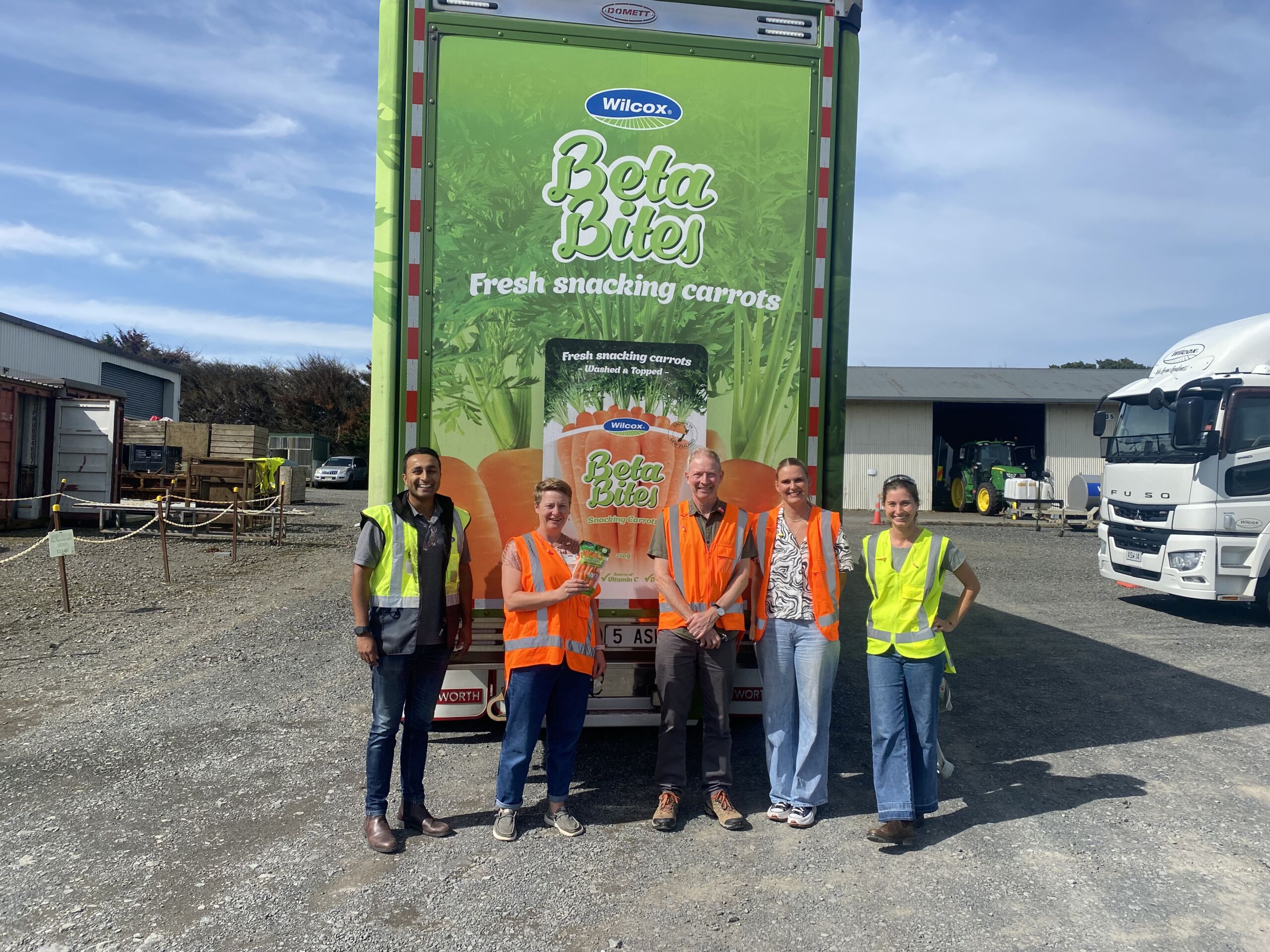
The work will focus on two of New Zealand’s key supply chains: vegetables and specialty cheese. Kai Commitment will work alongside two of its signatories, AS Wilcox and Goodman Fielder, to map food loss and waste hotspots, identify methane-related emissions, and model practical interventions from the farm gate through to retail and food service.
The project will produce two commodity-specific case studies, and a guidance document designed to help other businesses and sectors replicate the approach in their own supply chains.
Kai Commitment Executive Director Carmen Doran says the project is an important step in showing how food waste reduction can support both business performance and climate action.
“Food waste is often seen as an environmental issue, but it is also a business performance issue. When food is lost or wasted, businesses lose the value of the inputs, labour, energy, transport and resources that went into producing it,” says Doran.
“This project gives us the opportunity to identify where waste is occurring, what interventions could make the biggest difference, and how those learnings can be turned into a practical blueprint for others to use.”
The project will adapt WRAP’s whole-chain methodology for a New Zealand context, with the analysis including desk-based research, operational data, site visits where appropriate, and engagement with supply chain partners. Kai Commitment says it’s been valuable to have signatory Woolworth’s New Zealand, contribute insights to the project as a supply chain partner for both commodities.
Eunomia will lead the technical and analytical work, with input from WRAP and Kai Commitment.
Mark Hilton from Eunomia says Eunomia’s role will be to bring technical rigour to the mapping of food waste and emissions across the selected supply chains.
“By looking across the supply chain, from farm gate through to the consumer, we can identify where food is being lost or wasted, what is driving it, and where targeted interventions could make the greatest difference to emissions, particularly methane,” says Hilton.
WRAP Asia Pacific Programme Lead Margaret Jewell says the organisation is pleased to bring its international experience to the project.
“This project is an opportunity to demonstrate the commercial and environmental value of reducing food waste across vegetable and specialty cheese supply chains in New Zealand,” says Jewell.
“We hope it provides a clear pathway for businesses to cut costs, strengthen Scope 3 reporting, and accelerate progress towards halving food waste and reducing emissions.”
Lauren Wilcox, Environmental Projects Support at AS Wilcox, says the company is pleased to be part of work that will generate practical insights for the wider sector.
“As a family business, we are passionate about identifying food waste hotspots and finding practical initiatives that can help reduce our emissions,” says Wilcox.
“It’s great to be partnering with Kai Commitment, Eunomia and WRAP to better understand where we can make a difference, not only in our own supply chain, but across the wider fresh produce sector.”
Goodman Fielder New Zealand Chief Executive Officer Bernard Duignan says the project demonstrates how industry, commercial and sustainability objectives can align to deliver meaningful outcomes.
“Reducing food waste makes sense from every angle. As a large New Zealand food company, we have a responsibility to improve efficiency across our supply chains and play our part in reducing emissions. Partnering on initiatives like this helps us to better understand end to end, where waste occurs and identify different solutions that deliver tangible benefits for the environment, the food supply chain and our business”
The work will run from March to October 2026, with the case studies and guidance document expected to be finalised later this year.
ends